

Domestic Abuse
and Learning Disabilities.
Domestic abuse affects 4.8% of people (ONS 2024) in the United Kingdom, but individuals with a learning disability often face higher risks and encounter additional barriers when seeking support.
People with learning disabilities may:
- Struggle to recognise abusive behaviour.
- Find it difficult to understand their rights.
- Face challenges accessing support services.
- Miss out on important Domestic Abuse information if it is not in an accessible format.
These barriers can make it more difficult to speak out, seek help, or escape from harmful situations.
Key Facts
- Disabled women (17.5%) were more than twice as likely to experience domestic abuse in the last year, compared to non-disabled women (6.7%)
- Only 21.4% of refuge services offer support for women with learning difficulties.
- People with learning disabilities experience the highest rate of domestic abuse 19.1% (ONS 2021).
- This is nearly three times the rate of the general population.
We can help with:
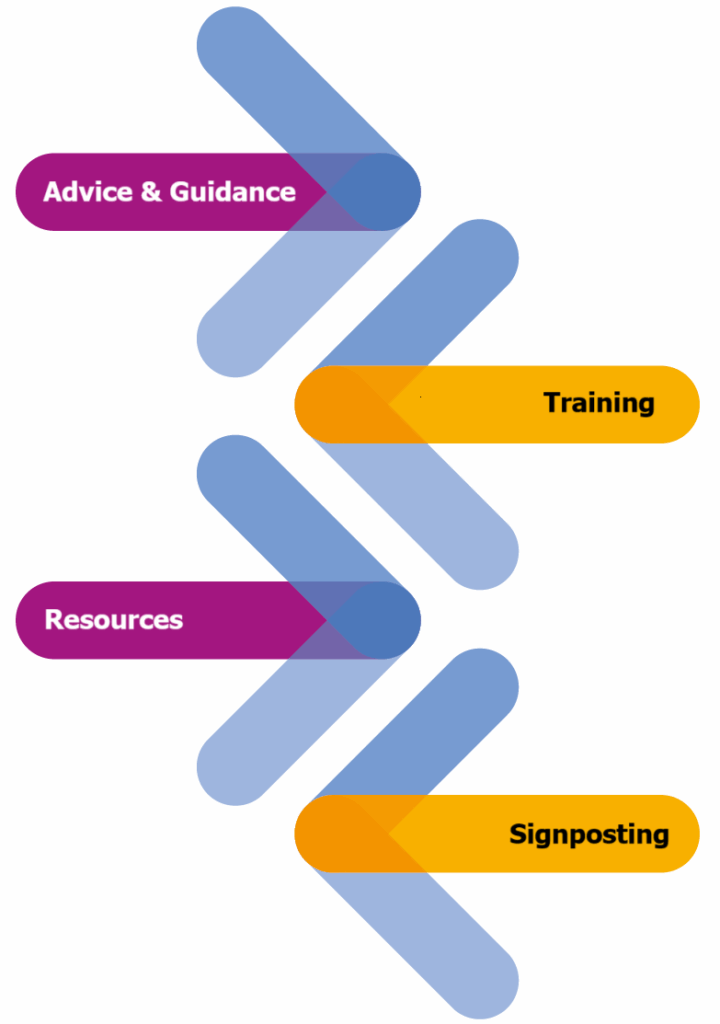
Advice, Guidance & Training
- Advice & Guidance.
- Training (For professionals & frontline staff).
- Easy Read & Accessible Resources.
- Signposting to statutory services & support.
Find help in Birmingham here.
If you are in immediate risk or danger: Telephone 999 and ask for the Police.


Awareness Training
Midland Mencap is offering face-to-face training designed to raise awareness and deepen the understanding of the intersection between Learning Disabilities, Autism, and Domestic Abuse.
This half-day training session explores:
- The signs of domestic abuse in individuals with Learning Disabilities and or Autism.
- The additional barriers faced in seeking help.
- How to respond effectively.
- What support is available.
This training is for anyone working with, supporting, or coming into contact with individuals with a Learning Disability and/or Autism—whether in health, social care, education, or community settings.
To find out more or express your interest in attending a training session, please contact us via email at:
Note: Places and sessions are extremely limited and we are unfortunately unable to guarantee all applications. Applications for individuals & professionals in direct contact with individuals with a learning disability in the sectors listed above are prioritised. You will receive confirmation via email if successful. Your confirmation email will contain full details of the training date, time and location.
Easy Read Information
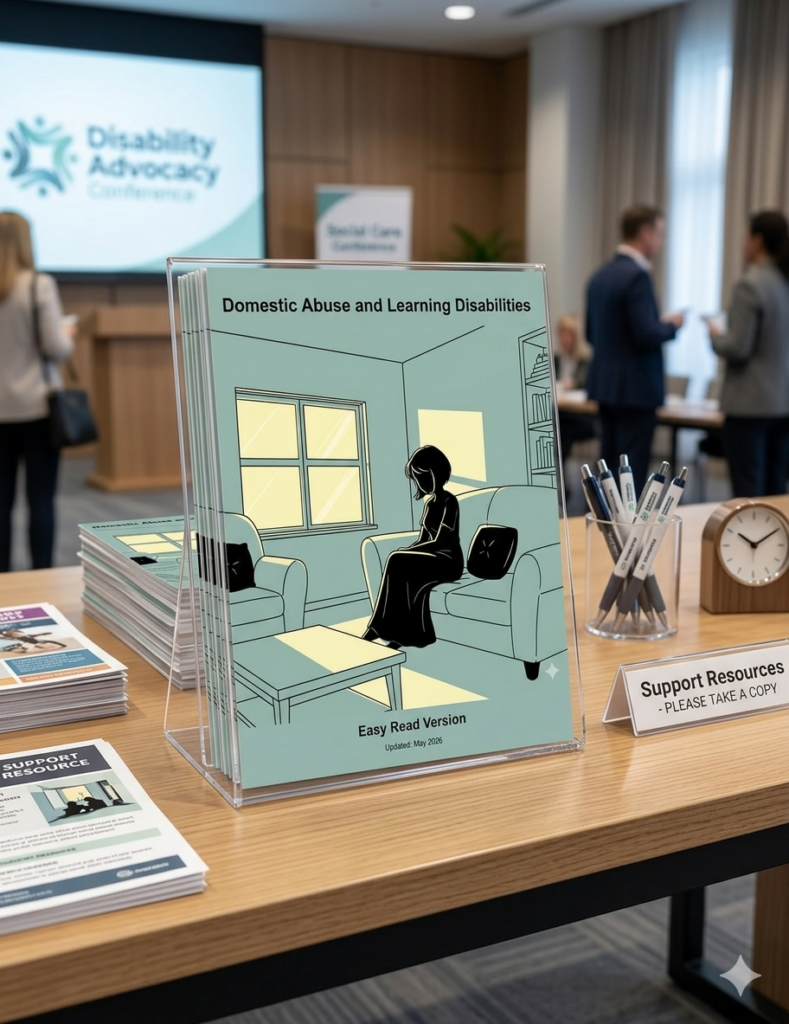
You can request more information about our Easy Read guide ‘Domestic Abuse and Learning Disabilities’ by contacting us by email at:
If you attend an upcoming in-person training session, you will receive a complimentary copy.
One Year On
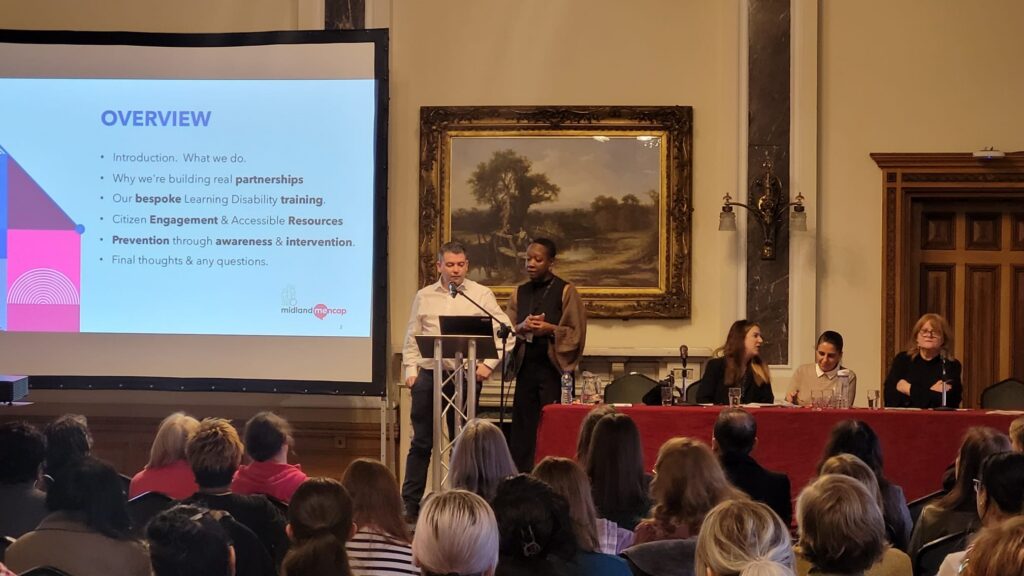
Midland Mencap was invited in February 2026 to speak at the One Year On event held at the Council House in Victoria Square. The event brought together partners, frontline workers and organisations committed to delivering Birmingham’s Domestic Abuse Prevention Strategy. It offered an important opportunity to check progress, challenge ourselves, champion the work already under way and celebrate the achievements of the first year.
Sharing the platform with senior leaders and specialist partners from across the city was a privilege, and it allowed Midland Mencap to highlight how domestic abuse prevention has become an established part of our everyday practice. By embedding early intervention, awareness and safeguarding into our Business as Usual approach, we have strengthened the way we support citizens with a learning disability who may be at risk.
As part of the event, Hazel & Dan presented the work and progress Midland Mencap has achieved across several key areas:
Building strong and purposeful partnerships:
We have continued to form constructive partnerships with organisations working across domestic abuse support, disability services and community wellbeing. These partnerships have allowed us to create clear referral pathways, share expertise and ensure survivors receive the right support at the right time. Working collaboratively has strengthened the whole-system response and delivered better outcomes for people with learning disabilities, their families and their communities.
Bespoke learning disability domestic abuse training:
Our training offer has been developed to help professionals and frontline workers recognise the signs of abuse within the context of learning disability. The free half-day sessions support staff to understand how abuse may present differently, what red flags to look for and how to act safely and confidently. This training has grown significantly and continues to strengthen awareness across the sector.
Citizen engagement and accessible resources:
We have created a range of accessible materials to help citizens understand healthy relationships, recognise unsafe behaviour and know where to seek help. These resources are used in one-to-one work and group sessions, ensuring information is delivered in a clear and meaningful way.
Prevention and early intervention
Our aim is to reduce the risk of domestic abuse among people with a learning disability by increasing awareness, knowledge and confidence. Through early conversations, education and ongoing support, we help citizens understand their rights, identify unhealthy patterns and know how to respond if they feel unsafe. This preventative approach supports the wider strategy’s commitment to keeping women, children and vulnerable adults safe. The work of Midland Mencap aligns closely with the values of the Domestic Abuse Prevention Strategy, including being survivor-centred, trauma-informed, strengths-based and rooted in accountability. Our contribution helps ensure that intersectionality, accessibility and inclusion remain central to domestic abuse prevention across Birmingham.
Our Call To Action

We were proud to join Birmingham’s Domestic Abuse Prevention Team and partners for a crucial Call to Action in November 2025.
At Midland Mencap, we know that individuals with a learning disability are disproportionately vulnerable to domestic abuse and often face barriers when seeking help.
The value of organisations working together is paramount.
By strengthening partnerships, sharing accessible information, and focusing on early intervention, we ensure that prevention and safeguarding strategies are truly inclusive and responsive to the unique needs of people with a learning disability and the entire community.
Midland Mencap remains committed to this collaboration to help create a safer, more inclusive city for everyone.